Surgical Science joins the SEISMIC consortium
Surgical Science joins the SEISMIC consortium to advance next-generation minimally invasive treatment of brain hemorrhage through imaging and simulation.
Gothenburg, February 12, 2026 – Surgical Science today announced its participation in the SEISMIC research consortium. The consortium has been awarded EUR 23.5 million in public funding from the Innovative Health Initiative (IHI). The five-year program brings together leading clinical, academic, and industry partners to transform neurosurgery by integrating minimally invasive surgical techniques and advanced imaging technologies. An additional EUR 14.9 million funding from partner contributions further strengthens the initiative.
The consortium will, among other procedures, investigate a single session, image-guided procedure that combines hematoma drainage with embolization of the middle meningeal artery (MMA) in the treatment of chronic subdural hematoma (cSDH). This approach is important because bleeding recurs in approximately 30% of patients after surgery, and occluding the artery may help prevent recurrence.
Surgical Science will, together with clinical experts at Radboud University Medical Center, develop a simulation module to enable clinicians to gain proficiency and confidence to perform this procedure in a safe and controlled training environment. The new simulation module will be validated and integrated into the Angio Mentor simulator.
Chronic subdural hematoma (cSDH) is one of the most common neurosurgical conditions, caused by slow bleeding between the brain and skull. It often develops gradually over weeks, sometimes following minor or unnoticed head trauma, and disproportionately affects older adults. As global populations age and the use of anticoagulants and antiplatelet medications grow, the prevalence of cSDH is expected to increase sharply, with projections indicating it may become the most frequent cranial neurosurgical condition by 2030. This rising clinical burden underscores the need for improved training and minimally invasive treatment pathways.
Simulation plays an important role in supporting consistent training approaches across institutions and experience levels. By helping to shorten learning curves and to reduce procedural variability, simulation contributes to safer interventions and improved patient outcomes. Simulation also enables continuous skill development without exposing patients to risk, supporting the broader goal of making high‑quality minimally invasive care more accessible.
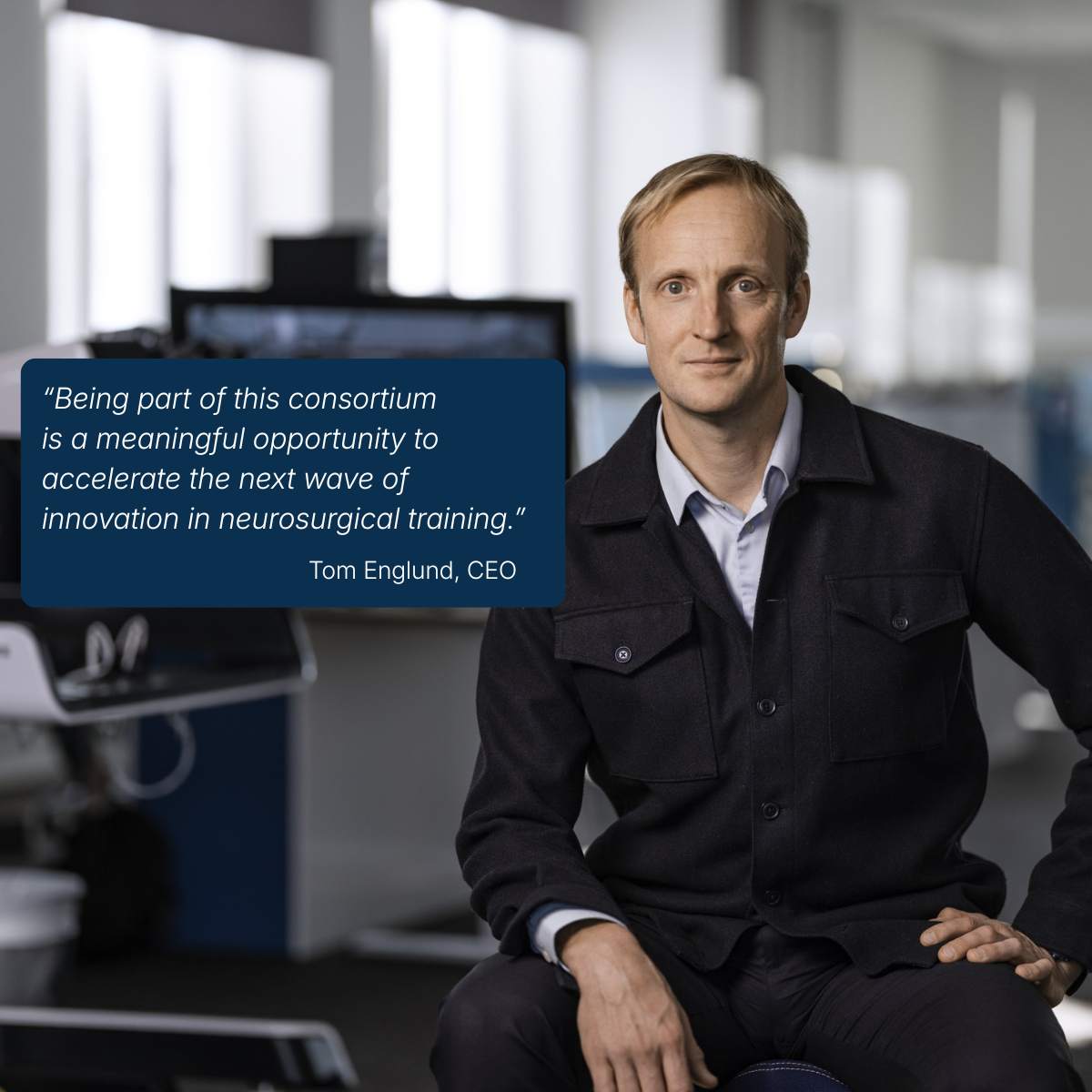
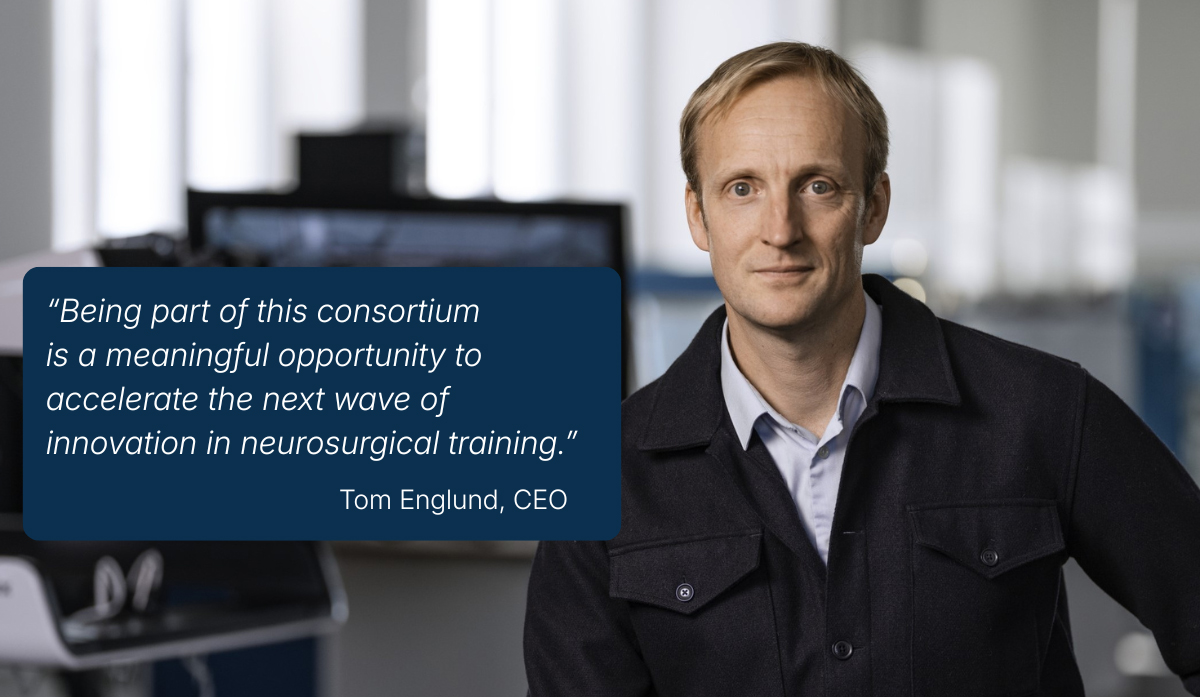
“Being part of this consortium is a meaningful opportunity to accelerate the next wave of innovation in neurosurgical training. By empowering clinicians with high-fidelity, lifelike training, we help move the world closer to a future where all medical professionals can develop and validate their skills safely and confidently before they ever step into the clinical environment.” says Tom Englund, CEO Surgical Science.
Surgical Science’s participation in the SEISMIC research consortium has no material effect on the company’s revenues or earnings.
About the SEISMIC research consortium
The SEISMIC public-private partnership includes nine medical technology industry partners, two patient organizations, and seven academic institutions. Together, the consortium will develop integrated technologies such as real‑time surgical navigation combining ultrasound and X‑ray imaging, advanced simulation systems, and minimally invasive diagnostic and treatment methods for intracerebral hemorrhage, subdural hematoma, and brain tumors.
The SEISMIC project aims to reduce surgical trauma, shorten procedure times, and improve recovery – making advanced neurosurgical care more widely available.
For more information, visit: www.seismic-project.eu

This project is supported by the Innovative Health Initiative Joint Undertaking (IHI JU) under grant agreement No 101253085. The JU receives support from the European Union’s Horizon Europe research and innovation program and life science industries represented by COCIR, EFPIA, Europa Bío, MedTech Europe and Vaccines Europe. SEISMIC is funded by the European Union, private members, and those contributing partners of the IHI JU. Views and opinions expressed are however those of the author(s) only and do not necessarily reflect those of the aforementioned parties. Neither of the aforementioned parties can be held responsible for them.